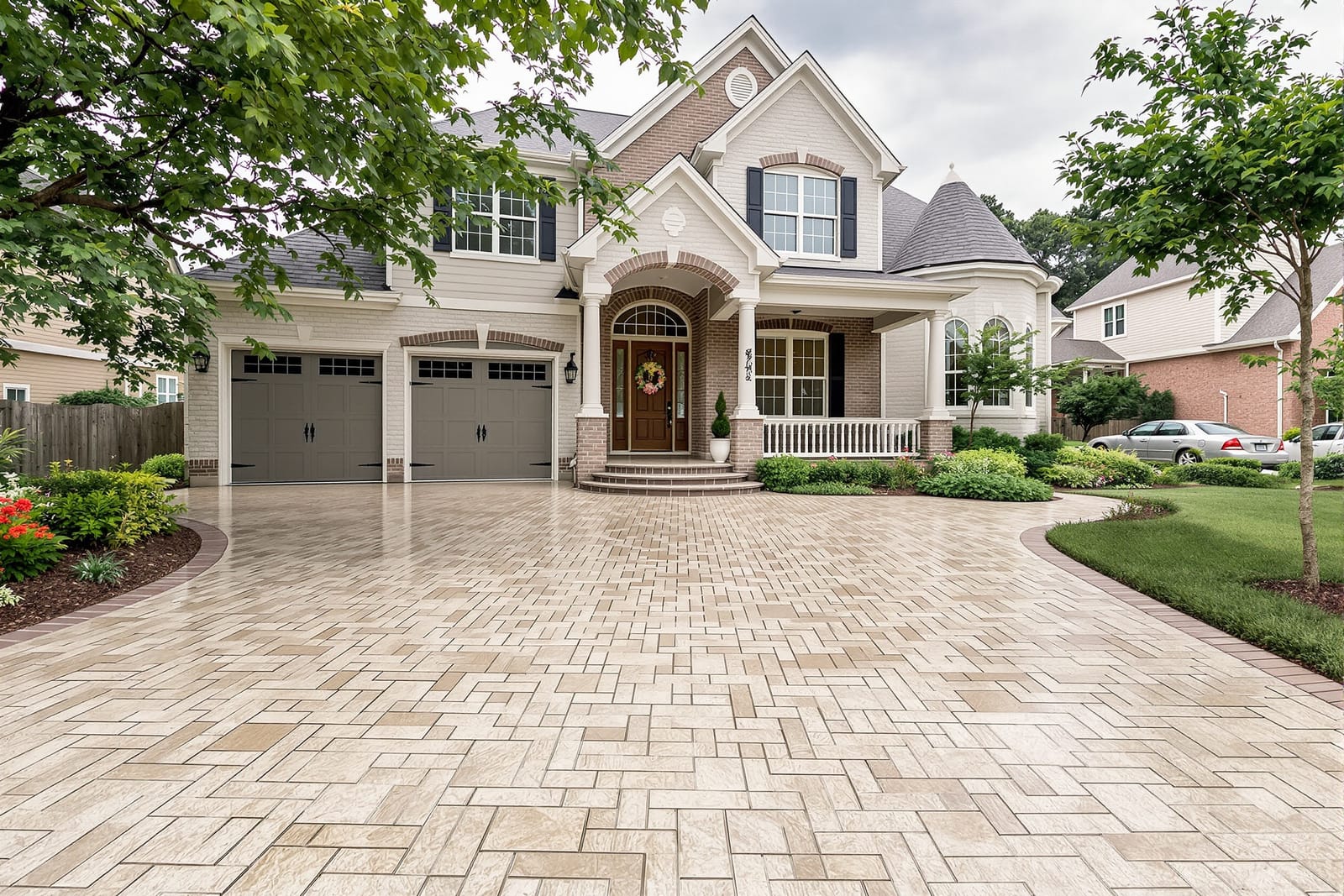
Stamped concrete in Denver, CO offers the look of stone, brick, or pavers with the strength of reinforced concrete. We install decorative concrete for patios, walkways, and pool decks using quality stamp patterns and integral colors. Our team focuses on surface prep, release agents, and sealing so your stamped concrete stays vibrant and easy to maintain.
Superior Concrete Denver provides professional stamped concrete throughout Denver, CO, Colorado and the surrounding area. Our licensed, insured crew delivers safe, clean, on-time work with a free estimate before anything begins. Call (970) 648-8412 or request your free quote.
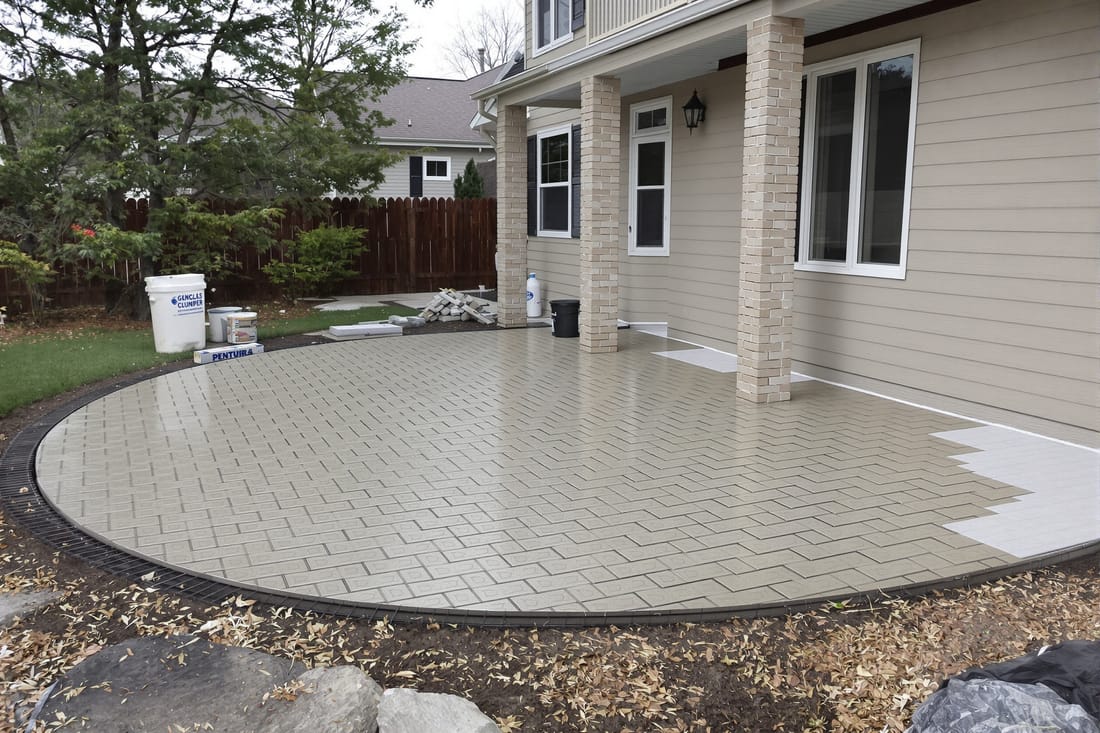
Stamped concrete that fits Denver homes and weather
Stamped concrete gives you the look of stone, brick, or wood with the durability of concrete, which is especially important in Denver’s freeze–thaw climate. At Superior Concrete Denver, we design every stamped concrete project around how it will perform through snow, ice melt, and intense sun at a mile high.
Instead of pushing the same pattern on every homeowner, we walk your property with you, look at existing colors and materials, talk through how you actually use the space, then recommend stamp patterns and color blends that make sense. A rustic flagstone pattern might tie in with a foothills view, while a clean ashlar slate look works better in a modern city yard.
Our focus is on building slabs that survive Denver winters first, then making them beautiful. That means proper base prep, reinforcement, and concrete mixes that are right for local conditions. When the decorative work sits on a solid foundation, you get patios, walkways, and driveways that stay attractive for years, not just the first season.
How the stamped concrete process works, step by step
A successful stamped concrete project in Denver is about timing and sequence. Here is how Superior Concrete Denver typically handles a residential patio or similar surface.
Preparation and base: We start by marking layout lines and checking elevations to avoid low spots where water can pool and freeze. Existing turf or old concrete is removed, then we compact the subgrade and add a layer of road base or class 6 material, compacted in lifts with a plate tamper. This strong base helps prevent heaving and settlement.
Forming and reinforcement: We set wood or rigid plastic forms to the correct slope so water drains away from your house and toward a lawn or drain. Depending on load and soil, we use rebar grids or welded wire mesh, often with fiber reinforcement in the mix. On Denver’s clay-heavy soils, this reinforcement is important to control cracking.
Placing the concrete: We order a mix appropriate for stamped work, usually a 4,000 psi concrete with set-control admixtures so there is enough working time in our dry air. The crew places and screeds the concrete, then bull floats to bring up a paste layer that will accept color and stamping.
Coloring and stamping: We apply color as an integral pigment in the truck, as a broadcast hardener on the surface, or both, depending on your design and budget. Then we add a powdered or liquid release agent so the stamps do not stick. When the surface is firm enough to support the crew but still plastic, we press stamp mats in sequence, overlapping the edges so the pattern is continuous and realistic.
Finishing and cuts: After the concrete has set, we wash off excess release and cut control joints at planned locations to manage cracking. Clean, straight joints are critical in a stamped surface, and we plan them to align with pattern lines whenever possible.
Curing and sealing: We apply a curing and sealing product after the slab has gained initial strength, taking care to choose a sealer that will not become dangerously slick when wet or when snow melts. Proper curing in Denver’s dry climate keeps the surface from drying too fast and helps lock in color.
Design options for stamped concrete in Denver yards and driveways
Stamped concrete is more flexible than most people realize, both in look and in how it can connect different parts of your property. Superior Concrete Denver helps you choose patterns and colors that feel natural alongside our local architecture and landscapes.
Common patterns we install in the Denver area include random flagstone, ashlar slate, cobblestone, and wood plank. Around older brick homes in neighborhoods like Park Hill, a cobblestone or running bond brick pattern can echo historic details without the movement issues of pavers. In newer suburbs, large-format slate or Italian slate patterns fit well with contemporary outdoor living areas.
Color is layered, not flat. We typically start with an integral base color that runs through the whole slab, then add a darker release color that settles into the textured lows. This combination creates depth similar to real stone. For example, a sandstone-inspired patio might use a tan base with a walnut or terra cotta release, while a driveway that needs to hide winter grime might get a medium gray base with charcoal accents.
We can also blend stamped concrete with broom-finished or exposed aggregate borders. A common Denver detail is a stamped field with a plain concrete band at the edges, which helps define the space and reduces visual wear at shoveling and snowblower paths. Steps, seat walls, and fire pit rings can be integrated so the whole outdoor area reads as one planned space instead of disconnected pieces.
What affects the cost of stamped concrete in Denver
Stamped concrete pricing has real reasons behind it, and understanding those can help you plan a project that fits your budget. At Superior Concrete Denver, we explain each driver instead of dropping a single number and moving on.
Size and access: Larger areas usually bring the cost per square foot down a bit, but tricky access can push it up. If we can get a concrete truck chute close to the forms, the job is more efficient. If we have to pump over a house or hand-wheelbarrow across a tight side yard, labor and equipment costs increase.
Thickness and reinforcement: A lightly used backyard patio may only need a standard thickness with wire mesh and fibers, while a driveway, RV pad, or hot tub slab usually needs thicker concrete and more steel. In Denver’s freeze–thaw cycles, skimping on thickness often leads to problems later, so we will be honest if your intended use requires a more robust design.
Pattern complexity: Simple stone or slate patterns cost less than intricate wood plank or custom stamp sets. Deeply textured stamps also take longer to apply and require more color work to look right, which affects labor.
Color system and sealer: Integral color, antiquing washes, multiple release colors, and premium sealers each add to material cost. Some homeowners choose a more basic color scheme in low-visibility areas, then invest in richer detailing on high-visibility patios or front walks.
Site conditions: Poor drainage, soft spots in the soil, or removal of thick old concrete add prep time. We often correct negative drainage that could push water toward foundations, and that extra grading and base material is an investment in keeping both the new slab and your home drier and more stable.
Handling Denver-specific stamped concrete challenges
Our climate in Denver is hard on concrete. Between sun exposure at altitude, sudden temperature swings, deicing salts, and clay soils, stamped concrete requires thoughtful planning and maintenance to stay in good shape.
Freeze–thaw and scaling: If water soaks into the surface and then freezes, it can cause flaking over time. Superior Concrete Denver manages this by using air-entrained mixes, proper curing, and breathable sealers. We also advise against using harsh deicing salts on decorative concrete, especially in the first winter. Sand or cat litter for traction is safer.
Cracking: All concrete cracks somewhere. The goal is to control where and how. We place control joints at planned intervals and use reinforcement to minimize wide openings. With stamped work, we carefully line up joints with the pattern so any movement blends in. Hairline surface cracks that do appear are usually cosmetic, and we can often disguise them with a reseal and color touch-up.
Color variation: Denver’s bright sun can highlight even small color differences. We reduce surprises by making sample boards or showing wet and sealed mockups before large pours. For existing patios that were poured in phases by different contractors, we can sometimes use overlays or stain and seal systems to tie colors together.
Slip resistance: Stamped concrete can be slick when sealed, especially on slopes or where snowmelt runs. We routinely add a fine traction additive to sealers on patios, walkways, and especially around pools or hot tubs. This gives grip without making the surface feel gritty underfoot.
What to expect when you hire Superior Concrete Denver
A smooth stamped concrete project is about clear communication before we ever order concrete. When you contact Superior Concrete Denver, we usually start with a site visit where we measure, assess drainage and soil, and talk about how you want to use the space during each season.
Planning and design: We discuss patterns, colors, border options, and joint layouts. If you have existing concrete, pavers, or masonry, we look at those colors in natural light and suggest combinations that will not clash. We also review any HOA requirements or city setbacks that might affect placement.
Scheduling around weather: Denver weather can shift quickly, so we schedule pours during windows that give us enough time to place, stamp, and finish without rushing. If a surprise storm or cold front moves in, we may reschedule rather than risk a compromised slab. When needed, we use blankets and cold weather admixtures to protect fresh concrete.
During the job: Our crews protect adjacent landscaping and siding, control washout water so it does not run into storm drains, and clean up at the end of each day. Someone on site is always available to answer questions, and we encourage homeowners to walk the area with us before we leave.
After completion: We explain how to care for your new stamped concrete, including when you can walk on it, place furniture, or drive on it. We typically recommend resealing every 2 to 3 years in Denver’s climate, depending on sun exposure and traffic. Many customers ask us back on a regular schedule so the surface never gets dull or chalky.
Tips before starting a stamped concrete project in Denver
A little planning before you hire a contractor can save a lot of frustration. Based on years of work across the metro area, here are some practical steps we suggest.
Check drainage paths: During a rain or snowmelt, watch where water runs across your yard and driveway. Note standing water or icy spots. Share this with us during the estimate so we can slope and drain the new concrete to improve things rather than repeat old problems.
Think about snow management: Consider where you normally pile snow and how you remove it. If you use a metal shovel or snow blower on a stamped driveway or walkway, we may suggest a slightly lighter texture or a border detail that can take more wear at the edges.
Plan utilities and future projects: Let us know about sprinkler lines, lighting conduits, or future structures, like pergolas or hot tubs. We can often sleeve pipes under the slab or thicken sections where posts or heavy loads will go. This is much easier to do before the pour than after.
Ask for references and examples: We are happy to show you stamped concrete projects Superior Concrete Denver has completed in neighborhoods similar to yours. Seeing how colors and patterns look after a few winters gives you a more realistic expectation than fresh catalog photos.
Confirm maintenance expectations: Stamped concrete is relatively low maintenance, but it is not maintenance free. Make sure you are comfortable with occasional resealing and gentle cleaning. In return, you get a long-lasting surface that stays attractive and fits Denver’s unique climate and lifestyle.