Home › Commercial Parking Lots and Drive Lanes
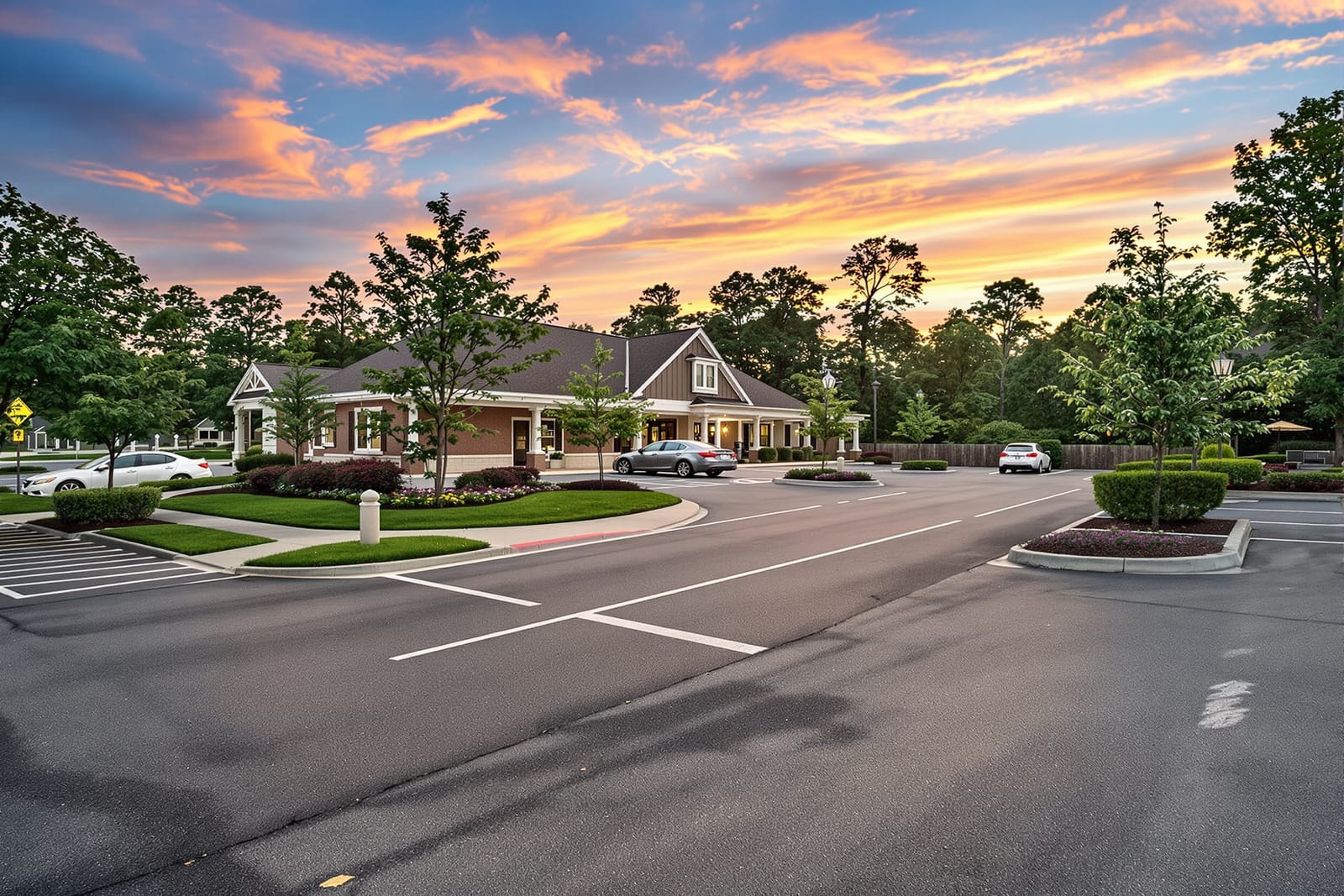
A concrete parking lot in Denver, CO offers long term durability and low maintenance for commercial properties. We construct new concrete parking areas, drive lanes, and truck aprons with proper subgrade prep, thickness, and jointing. Our team coordinates layout and striping so your concrete lot looks professional and handles daily traffic.
Superior Concrete Denver provides professional concrete parking lot throughout Denver, CO, Colorado and the surrounding area. Our licensed, insured crew delivers safe, clean, on-time work with a free estimate before anything begins. Call (970) 648-8412 or request your free quote.
Commercial Concrete Parking Lots Built for Denver Conditions
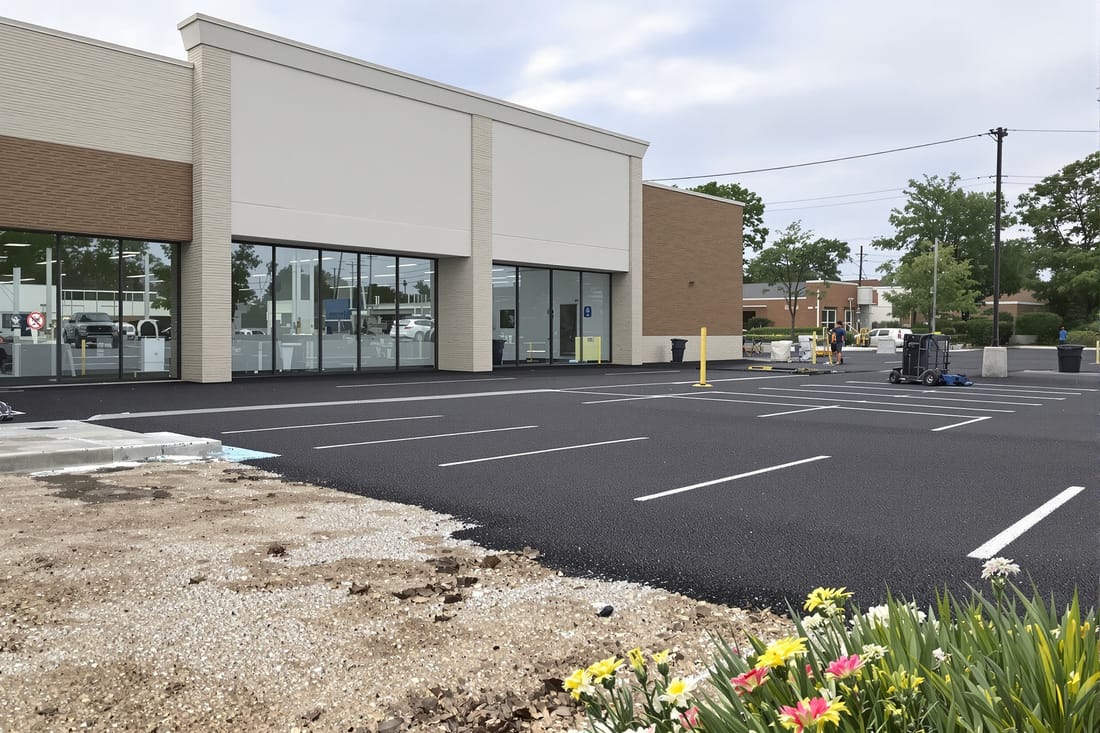
A commercial concrete parking lot in Denver has to do more than look good on opening day. It has to handle freeze-thaw cycles, snow plows, de-icing salts, UV exposure, and constant vehicle traffic. Superior Concrete Denver designs and builds parking lots and drive lanes specifically for Front Range conditions so you get a surface that holds its grade, drains correctly, and stays safe for customers and employees.
We start every project by walking the site with you. We look at traffic patterns, truck access, fire lane requirements, slopes, and how your existing drainage behaves during heavy summer storms and snowmelt. For new construction, we coordinate with your civil engineer and city review comments. For replacement lots, we identify why the current surface failed, such as poor base, thin concrete, or trapped water, so those issues do not repeat in the new work.
Because we work only in Colorado, our crews know how local soils, weather, and permitting rules affect your project schedule and design choices. This local experience keeps your job moving and reduces the risk of unexpected change orders once the old pavement is removed.
Planning, Layout, and Drainage That Prevent Future Problems
On a commercial parking lot, layout and grading errors are what cause most long-term headaches. Puddles that freeze, wheel ruts, icing at entrances, and water running toward building foundations usually come from poor planning, not the concrete mix. Superior Concrete Denver invests time in site planning so that water and traffic move where they should.
We verify elevations with laser levels, then design slopes that meet ADA requirements and city standards while still moving water to inlets or swales. In Denver, that usually means a minimum slope of around 1.5 to 2 percent in paved areas that see snow and ice. We pay particular attention to transitions at sidewalk crossings, building entries, and dock areas, where standing water can turn to ice and create a liability issue for your business.
Our team reviews required turning radii, fire lane access widths, and loading zones, then adjusts joint layouts and reinforcing to suit. For properties along busy corridors like I-25 or Colfax, we often phase the work so parts of the lot stay open, and we plan temporary traffic routing before demolition starts, which keeps confusion and risk down during construction.
Subgrade Preparation and Base Work Under Denver Soil Conditions
Concrete performance is only as good as the ground underneath it. In the Denver metro area, we often deal with expansive clays, utility trenches that were backfilled poorly, and older gravel bases that have lost density. Superior Concrete Denver focuses heavily on subgrade preparation to avoid differential settlement, heaving, and cracks that mirror through the slab.
First, we strip the existing pavement and unsuitable soils, then evaluate the subgrade with proof rolling and density checks. Soft or pumping areas are removed and replaced with compacted structural fill or CDOT-spec road base. We compact in thin lifts with vibratory equipment and confirm compaction targets that match the design, typically 95 percent of modified Proctor for commercial lots.
In zones with known expansive soils, we may over-excavate and replace with non-expansive material, or use moisture-conditioned and treated subgrade if your engineer specifies it. For heavy truck areas, dumpster pads, and drive lanes to loading docks, we often increase base thickness or specify stronger base material to prevent rutting, even under turning and braking loads.
Proper edge support is also critical. Where lots transition to landscaped areas, we pay attention to edge compaction so you do not see the outside panels break off or settle. This level of groundwork is not visible after the pour, but it is what keeps your concrete parking lot stable across years of Denver winters.
Concrete Mix Design, Thickness, and Reinforcement Options
For a commercial concrete parking lot, the mix and section thickness must match the expected use. Superior Concrete Denver typically uses a 4000 to 4500 psi air-entrained concrete mix for exterior lots, which stands up well to freeze-thaw cycles and de-icing chemicals used along the Front Range. Air entrainment helps relieve internal pressure from water freezing inside the slab and significantly extends service life.
We adjust slab thickness based on vehicle loads. Light duty car parking may use a 5 inch slab, while drive lanes, dumpster pads, and delivery truck routes often require 6 to 8 inch concrete. For locations with frequent semi traffic, like distribution centers or grocery stores receiving daily deliveries, we recommend thicker sections and may incorporate doweled contraction joints to maintain alignment between panels as they move.
Reinforcement is selected based on panel size and loading. Options include welded wire fabric, rebar grids, and in some cases fiber reinforcement blended into the mix. For most commercial lots, we use rebar or heavy welded wire fabric, properly chaired so it stays at the correct depth, especially in heavy turning zones where surface stresses are highest.
We also consider surface texture and finish. Most clients choose a broom finish for slip resistance, with troweled edges around joints to minimize chipping. Where customers are on foot frequently, such as medical offices or retail centers, we aim for a finish that is both durable and comfortable to walk on, even with snow melt chemicals and sand in use.
Joint Layout, Finishing, Curing, and Winter Concrete Work
Cracking is normal with concrete, but uncontrolled cracks are not. Superior Concrete Denver manages cracking through careful joint layout and timing. Before a project starts, we lay out saw cut locations to keep panel sizes appropriate for the slab thickness and site geometry, then coordinate those joints with striping, islands, and drains so they make visual sense in the completed lot.
After placing the concrete, our crews use straightedge tools and laser-guided screeds when appropriate to achieve consistent flatness in drive lanes and loading areas. We finish with broom textures that match ADA guidelines and vehicle traction needs. Once the surface has set enough to support saw cutting, we cut contraction joints at the planned depths and spacing, usually within 4 to 12 hours depending on temperature and mix.
Proper curing is critical in Denver's dry climate. We apply curing compounds or use wet curing methods to reduce rapid moisture loss that can lead to surface shrinkage cracks and reduced long-term strength. When projects must proceed in colder months, we follow cold weather concreting practices: heated water in the mix when necessary, insulated blankets, and careful scheduling so new slabs are not exposed to freezing temperatures before they reach sufficient strength.
These details are what separate a lot that looks good for one season from one that functions well for decades.
Costs, Permits, and Phasing Around Your Business Operations
Owners and property managers in Denver want clarity on cost and schedule. The main cost drivers for a concrete parking lot are slab thickness, total square footage, subgrade correction needs, reinforcement type, drainage complexity, and phasing requirements. Superior Concrete Denver walks you through each of these so you understand where your investment is going and where there may be options.
Thickness and reinforcement are tied directly to vehicle loading and lifespan expectations. If your site sees only light cars, we can design accordingly. If you anticipate increased truck traffic in future years, we will show you the long term value of thicker sections in key areas. Subgrade repair is often the biggest unknown on replacement projects. We minimize surprises by probing and test rolling early, then building allowances into the proposal so you can budget realistically.
Permitting in Denver and surrounding municipalities often affects schedule. We are familiar with local review processes and coordinate inspections for forms, reinforcement, and final paving as required. When work touches the public right of way, such as apron connections or sidewalk tie-ins, we follow the specific standards for each jurisdiction.
For active sites like retail centers, medical offices, or industrial parks, we frequently phase projects so parts of the lot stay open. Phasing influences cost because it requires more setup and traffic control, but it keeps your business accessible and reduces disruption. We help you choose phasing strategies that match your busiest hours and tenant needs, and we can work off-hours when necessary to reduce impact.
Long Term Maintenance, Repairs, and Why Local Expertise Matters
A professionally built concrete parking lot requires far less maintenance than asphalt, but it still benefits from planned care. Superior Concrete Denver helps clients set up a realistic maintenance plan so small issues do not become large and expensive ones.
In Denver's climate, we recommend keeping joints and cracks sealed to limit water infiltration, especially ahead of winter. This reduces freeze-thaw damage and helps preserve subgrade support. We also discuss de-icing practices, such as using appropriate products that are effective yet minimize surface scaling over time. Regular sweeping to remove sand and debris improves both appearance and safety.
When damage occurs from heavy equipment, utility cuts, or unexpected settlement, we provide targeted repairs rather than pushing unnecessary full replacements. Options include panel replacement, partial depth repairs, dowel bar retrofit at key joints, and grinding of mild heaves or settlement to remove trip hazards without wholesale demolition.
Local expertise matters because a design that works in a milder climate can fail early here. We have seen lots installed by out of state contractors that used non air-entrained mixes or insufficient base on expansive soils, which led to premature scaling and cracking. Superior Concrete Denver bases every recommendation on long term performance in our specific region so your commercial concrete parking lot and drive lanes continue to support your operations safely and reliably.