Home › Concrete Sidewalk and Walkway
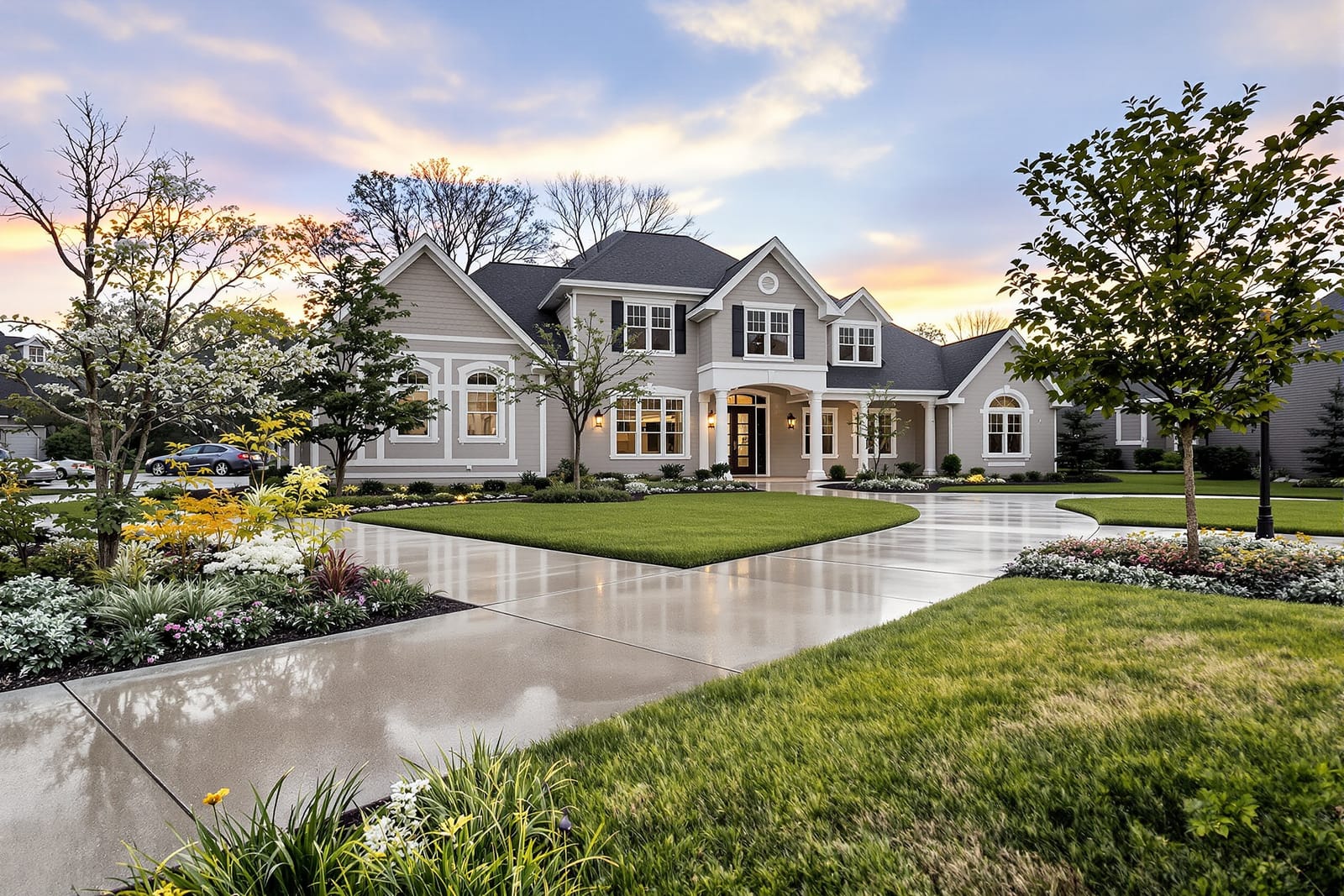
A well built concrete sidewalk in Denver, CO improves safety and curb appeal around your home. We pour new concrete walkways, front paths, and garden paths with proper slope and expansion joints. Our crew takes care to match existing concrete where possible so your new concrete sidewalk blends seamlessly with your property.
Superior Concrete Denver provides professional concrete sidewalk throughout Denver, CO, Colorado and the surrounding area. Our licensed, insured crew delivers safe, clean, on-time work with a free estimate before anything begins. Call (970) 648-8412 or request your free quote.
Concrete Sidewalks in Denver That Stay Level and Safe
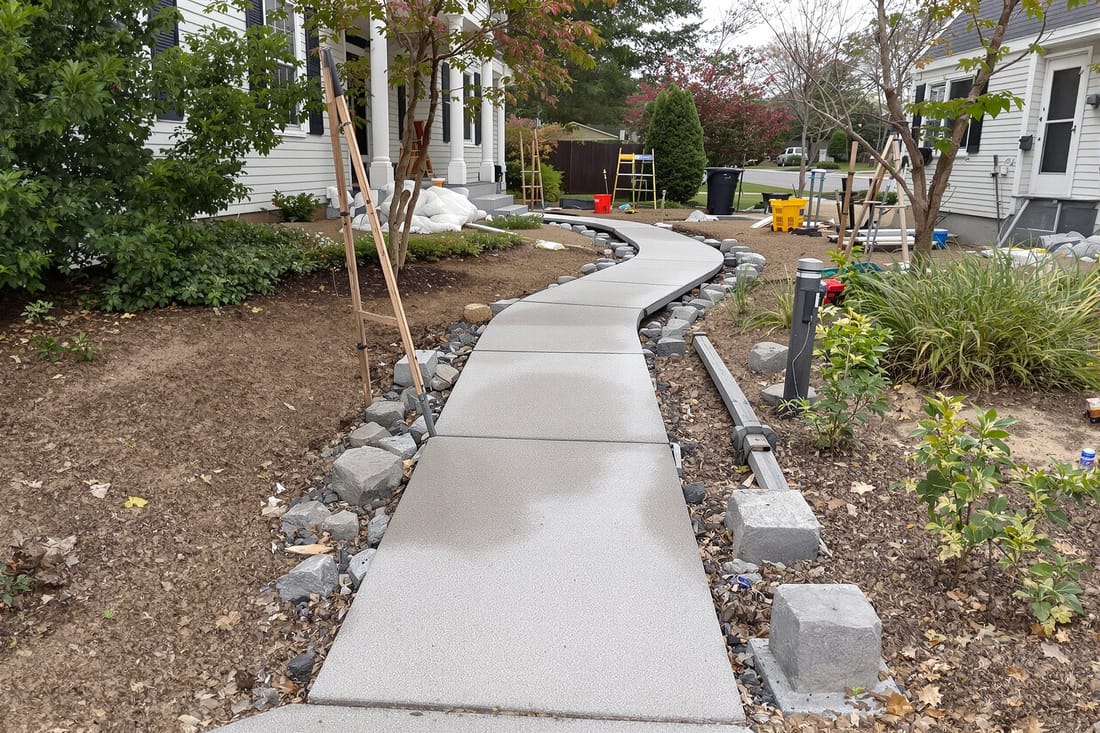
A concrete sidewalk in Denver has to deal with freeze-thaw cycles, clay soils, and tree roots that never stop growing. Superior Concrete Denver builds sidewalks and walkways specifically for Front Range conditions. We handle city code requirements, slope the surface correctly for drainage, and choose mixes that hold up to road salts and winter shoveling.
When you contact us, we start by walking the route with you. We look at how people actually use the space, how close the sidewalk will be to the street, and where water currently flows during a storm. In many Denver neighborhoods, existing concrete has settled toward the house or garage. We flag those issues first so the new concrete sidewalk does not send water toward your foundation.
For public-facing work, including city right-of-way, we discuss Denver Public Works standards, panel sizes, control joint spacing, and ADA considerations at driveways and curb ramps. You get a straight answer about what is required versus what is optional, so you can decide where to invest and where to keep it simple.
Sidewalk Planning, Permits, and Layout in Denver
In Denver, a sidewalk that touches the public right-of-way usually requires a permit, and in some cases an inspection. Superior Concrete Denver can coordinate the permit process or work with you if you prefer to apply directly. We clarify early whether your project is on private property only, within the city right-of-way, or a mix of both. This affects permit cost, inspection timing, and even the required thickness.
We start layout by marking utilities through Colorado 811, then we stake the route. On older Denver lots, property lines at the front of the yard can be confusing, especially in areas with alleys and corner lots. We often recommend confirming the survey if the new concrete sidewalk is close to a neighbor's property line or the city right-of-way. This prevents disputes later.
Slope and drainage are planned before any concrete is poured. Typical residential sidewalks are sloped about 2 percent toward the street or a drainage path. In many Denver bungalows and mid-century neighborhoods, yards are relatively flat, so we use laser levels to avoid creating puddles that would turn into ice sheets in winter. Where the sidewalk crosses a driveway, we adjust the grades so cars do not bottom out but pedestrians still have a comfortable walking surface.
If you live in an HOA community around Denver, we can prepare a simple sketch and material notes you can submit for architectural review. Many HOAs only allow natural gray concrete but some will permit colored or stamped borders. We help you choose something that will pass review the first time.
Excavation, Base, and Forms for Long-Lasting Sidewalks
Good concrete sidewalks in Denver start under the slab. We remove grass, old broken concrete, and soft topsoil until we reach firm, undisturbed ground. For most walkways, we excavate 4 to 8 inches depending on whether the area gets vehicle traffic, like where it crosses a driveway. In older parts of Denver we often run into cinder fill or miscellaneous rubble; we remove loose or unstable material so the new sidewalk does not settle.
After excavation we install a compacted base, typically 3 to 4 inches of road base or crushed concrete. We compact with a plate tamper in multiple passes. This step is especially important in Denver's clay soils, which shrink and swell as moisture changes. A proper base spreads loads and limits heaving.
Forms are set using straight lumber or flexible forms for curves. We check height and slope with a level or laser, not by eye. This is where we fine tune transitions at steps, porches, and existing driveways so you do not end up with trip lips or odd steps. For long walks, we plan control joint locations in the form layout, not as an afterthought, to control where the inevitable shrinkage cracks will occur.
If tree roots are close, we discuss root pruning or alignment changes. Large roots very near the surface will eventually lift concrete. Sometimes the smartest answer is to shift the sidewalk slightly, or build a narrow root bridge section with extra thickness to span over root zones. We explain your options clearly before we set forms in those areas.
Concrete Mix, Pouring, and Finishing Options
Superior Concrete Denver typically uses a 4,000 psi air-entrained concrete mix for sidewalks, which is appropriate for Denver's freeze-thaw cycles and ice melt use. For driveways and areas that see vehicle traffic, we may recommend 4,500 psi. Air entrainment helps reduce surface scaling in winter. If you have had flaking concrete before, we talk about deicer use and sealers so you do not repeat that problem.
During the pour, we place concrete from the chute or wheelbarrow, depending on site access. We avoid adding excess water on site because it weakens the slab and increases cracking. Concrete is leveled with a screed, then bull floated to bring up cream and flatten the surface. We cut in control joints at the correct spacing, typically not more than 5 to 6 feet apart for a standard width sidewalk, and at a depth of at least one-quarter of the slab thickness.
Most Denver homeowners choose a standard broom finish for sidewalks. It provides good traction when wet or icy. We can vary the texture from light to medium broom depending on your preference and whether people will be barefoot around a pool or patio. Along edges, we use an edger tool to round the corners so they are less likely to chip.
If you want more curb appeal, we offer decorative options. Popular choices include a contrasting broom-finished walkway with a smooth or stamped border, or integrally colored concrete that complements brick or siding colors common in Denver neighborhoods. We explain the maintenance considerations up front, as colored or stamped concrete benefits more from periodic sealing.
Curing, Winter Work, and How to Avoid Common Failures
A big reason sidewalks fail early in Denver is poor curing, especially in hot, dry, or windy weather. After finishing, we usually apply a curing compound or cover the slab with plastic or curing blankets, depending on conditions. This helps the concrete gain strength evenly and reduces surface cracking. In summer, we prefer morning pours to avoid rapid moisture loss and we may lightly mist the surface before applying cure.
If you are pouring concrete sidewalk or walkway in cold weather, timing and protection matter. We pay close attention to forecast lows. Fresh concrete must not freeze before it reaches initial strength. For late fall and winter work in Denver, we may use warm mixing water, set-accelerating admixtures, and insulating blankets. We do not recommend placing exterior flatwork when temperatures are expected to drop well below freezing overnight without proper protection.
To avoid scaling, we advise waiting at least one winter before using harsh chemical deicers on new concrete. Sand is a safer choice for the first season. If you must use deicer, we recommend products that are less aggressive on concrete and regular rinsing when temperatures allow.
We also talk through realistic expectations about hairline cracks. Concrete shrinks as it cures, and hairline cracking is normal. Our job is to control where cracks occur and keep the surface stable and safe. If you see abnormal cracking, settlement, or spalling, we stand behind our work and evaluate whether there is a structural or drainage issue that needs correction.
Pricing, Timeline, and What to Expect From Superior Concrete Denver
The cost of a concrete sidewalk in Denver depends on square footage, thickness, access, and decorative options. Straight runs in open yards are more economical than tight spaces beside houses or projects that require extensive demolition of old concrete. Thickness, typically 4 inches for standard walks and 5 or more inches where vehicles cross, affects both material and labor costs.
We provide written estimates that separate demolition, base preparation, concrete placement, and decorative upgrades. This helps you see where your money goes and decide what is truly important. For example, you may decide to keep a simple gray finish on the long sidewalk run but add a decorative border at the entry and stoop where it has the most visual impact.
Most residential sidewalks are completed in one to two days on site, plus curing time before regular use. Typically, you can walk on new concrete after about 24 to 48 hours and place heavier items or allow vehicle crossings after 7 days or more, depending on the mix and weather. We give you specific timelines based on your project.
From the first visit, Superior Concrete Denver focuses on clear communication. We explain where we will stage materials, how we protect landscaping, and how we handle cleanup. At the end of the job, you know exactly how your sidewalk was built, what to expect through the first winter, and how to maintain it so it serves your Denver property for decades.