Home › Commercial Stamped and Decorative Concrete
Commercial stamped concrete in Denver, CO creates attractive entries, plazas, and walkways that stand up to heavy foot traffic. We install decorative concrete with custom patterns, colors, and borders that highlight building entrances and outdoor spaces. Our team focuses on consistent texture, joint layout, and sealing so your decorative concrete looks professional for years.
Superior Concrete Denver provides professional commercial stamped concrete throughout Denver, CO, Colorado and the surrounding area. Our licensed, insured crew delivers safe, clean, on-time work with a free estimate before anything begins. Call (970) 648-8412 or request your free quote.
Commercial stamped concrete that reflects your brand
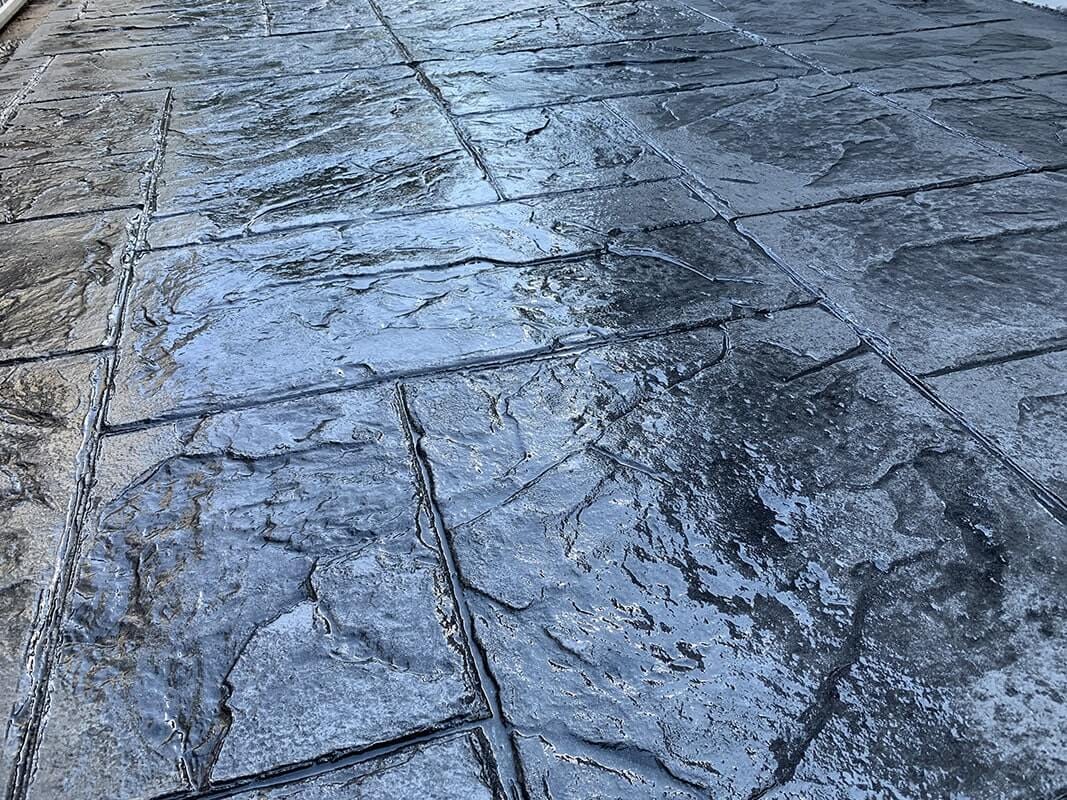
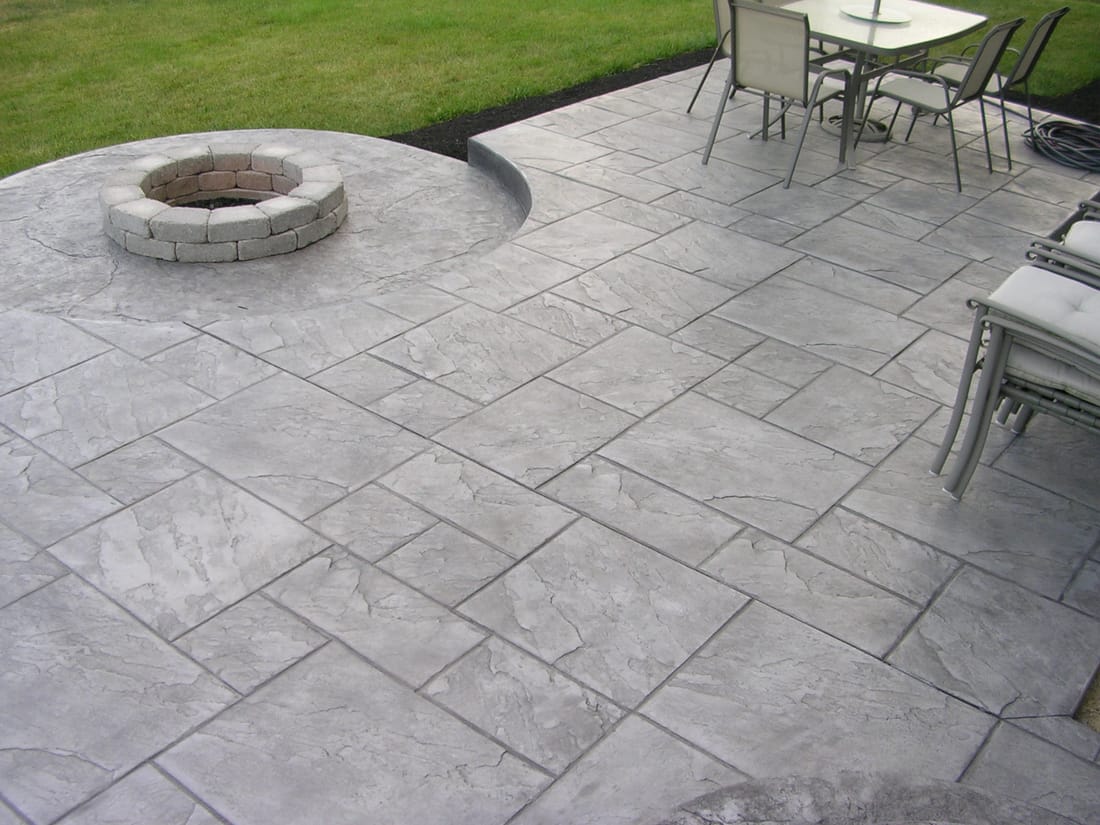
Commercial stamped concrete lets you get the look of stone, pavers, or brick with the strength and easier maintenance of concrete. At Superior Concrete Denver, we focus on designs that actually work for busy Denver businesses: restaurant patios that handle heavy furniture and spills, entry plazas that stay safe in ice and snow, and drive lanes that stand up to delivery trucks.
When we plan a commercial stamped and decorative concrete project, we start by walking the property with you. We look at how people and vehicles move through the area, where water currently drains or ponds, and how sun and shade hit the slab during the day. That matters in Denver’s high-altitude climate, since strong sun can fade colors faster on south-facing concrete if the right pigments and sealers are not used. We also review slip resistance requirements and any brand elements you want to echo, like using a stone pattern similar to your building veneer or picking colors that match your logo.
During this consultation we also talk about practical limits. For example, heavy forklift traffic is usually better on a textured finish than on deep or very intricate stamps, and areas that see frequent snow shoveling or plowing may need specific patterns and joint layouts so edges do not chip. Our goal is to match the look you want with the actual use of the space, so your commercial stamped concrete stays attractive and functional for years.
How we install commercial stamped and decorative concrete in Denver
A successful stamped concrete job is more about preparation than anything else. For commercial sites in Denver and surrounding cities, Superior Concrete Denver typically begins by saw cutting and removing existing concrete or asphalt where needed, then excavating to the proper depth. We install and compact a crushed rock base, usually 4 to 6 inches for pedestrian areas and more for drive lanes and loading zones, to handle freeze-thaw cycles and Colorado’s expansive soils.
Next, we set forms and layout control joints so they align with doors, columns, and landscaping features. For commercial stamped concrete, we often place reinforcing steel or fiber mesh in the slab to reduce cracking from delivery truck loads or snow equipment. We then pour a high-strength concrete mix, commonly 4,000 psi or greater, adjusted for weather conditions. In cooler Denver months concrete can be slightly warmer using heated water or additives, while in hot summer afternoons we may pour earlier in the day or use set-control admixtures so we have enough time to stamp properly.
Once the concrete is placed and leveled, we broadcast color hardener or integrally colored mix is already in place, depending on your design choice. For traditional stamping, we apply a release agent so the stamp mats do not stick, then work systematically across the slab. Timing is critical: the surface must be firm enough to hold a crisp impression but still plastic enough to accept the stamp. Our crews check constantly by hand and with test spots so patterns stay consistent from one end of a patio or plaza to the other. After stamping, we clean the surface, cut control joints if they were not preformed, and let the slab cure before sealing.
Patterns, colors, and finishes that suit commercial spaces
Commercial stamped concrete offers far more than a single stone look. Superior Concrete Denver maintains a wide selection of stamp patterns chosen specifically for how they perform in public and high-traffic spaces. Popular options include large-format slate, seamless textured skins that avoid repeating grout lines, wide-plank boardwalk textures for brewery patios, and cobblestone or ashlar patterns that echo historic Denver architecture.
For color, we typically use integral color in the concrete for a base tone, then add accents with color hardeners or stains. This layered approach helps hide future wear, since the color is not only on the surface. Brand matching is common for commercial projects: for example, we can approximate a company’s primary color as a subtle earth-tone base, then highlight borders or bands with a darker complementary shade. In shaded downtown courtyards we may lean toward mid-tone colors that do not feel too dark, while in full-sun areas we often recommend lighter tones to reduce surface temperature for guests and employees.
Slip resistance is a key concern around storefront entries, hotel drop-offs, and restaurant patios. Many Denver property managers prefer a slightly lighter texture with non-slip sealers rather than deep joints that can catch heels or chair legs. We can combine stamped fields with broomed or sandblasted walkways, or create decorative saw-cut grids in plain concrete near loading doors so maintenance crews have a smoother surface for carts and equipment. Borders, logos, and directional bands can be formed with contrasting texture or color to guide pedestrians without adding additional signage.
What affects cost and timeline for commercial stamped concrete
Pricing for commercial stamped and decorative concrete in Denver is driven by several specific factors. The first is access and demolition. A simple open parking lot that needs no tear-out is far less costly than a tight alley downtown that requires saw cutting existing slabs, hauling broken concrete through limited access, and scheduling around neighboring businesses. Site conditions like poor drainage or soft subgrade can require additional base material and compaction work.
Pattern choice and level of detail also influence cost. Large seamless textures are generally more economical per square foot than intricate brick or cobblestone stamps that require more labor to line up and maintain joint lines. Multiple colors, borders, integral color plus stains, or inlaid logos add to both material and labor costs. For high-traffic commercial projects, we also recommend higher strength mixes and reinforcing, which slightly increases upfront costs but usually lowers long-term repair expenses.
Timeline is affected by Denver’s weather and your operating schedule. Spring and early fall often provide ideal temperatures and are the first to fill on our calendar. Winter work is possible, but we must factor in heating, blankets, and potential weather delays, which can affect both schedule and price. For businesses that cannot close during the day, we may phase work in sections or schedule overnight pours. That involves more setup and staffing, but it keeps your doors open. During our estimate, Superior Concrete Denver lays out at least two phasing options so you can choose the balance between speed, disruption, and cost.
Common issues in Denver and how we prevent them
Denver’s climate is hard on concrete, especially decorative finishes. Rapid temperature swings, freeze-thaw cycles, deicing salts, and strong UV exposure can all cause premature wear if the project is not planned correctly. At Superior Concrete Denver, we address these issues from design through maintenance. We design proper drainage so water does not sit on the surface or at the base of steps, we specify air-entrained concrete mixes that handle freezing, and we choose sealers formulated for commercial traffic rather than light residential use.
Cracking is the concern most property managers mention. While some hairline cracking is normal in any concrete, we reduce visible cracking by installing a properly compacted base, using adequate reinforcing, and carefully planning control joint spacing and locations. Thoughtful layout can hide many joints in pattern lines or along building features so the decorative look is not interrupted. For heavy commercial use, we may recommend thicker slabs or additional reinforcement near dumpster pads, loading zones, or fire lanes.
Long-term appearance is protected through sealing and maintenance. We typically apply a commercial-grade sealer after the concrete has cured, then recommend a re-seal schedule based on use: restaurant patios and drive lanes often need attention every 2 to 3 years, while lighter-use courtyards may go longer. We advise Denver clients to use non-metal shovels or soft-edge plow blades on stamped surfaces, to avoid harsh chemical cleaners, and to choose deicers that are concrete-safe. If wear or damage occurs, many stamped and decorative surfaces can be cleaned, re-colored, and re-sealed rather than fully replaced, which we can evaluate during an on-site visit.