Home › Commercial Concrete Repair and Restoration
Commercial concrete repair in Denver, CO keeps your property safe for customers, tenants, and equipment. We repair spalled slabs, failing joints, and uneven sidewalks with patching, grinding, and replacement where necessary. Our team works around business operations to restore damaged concrete and reduce liability from trip hazards and surface failures.
Superior Concrete Denver provides professional commercial concrete repair throughout Denver, CO, Colorado and the surrounding area. Our licensed, insured crew delivers safe, clean, on-time work with a free estimate before anything begins. Call (970) 648-8412 or request your free quote.
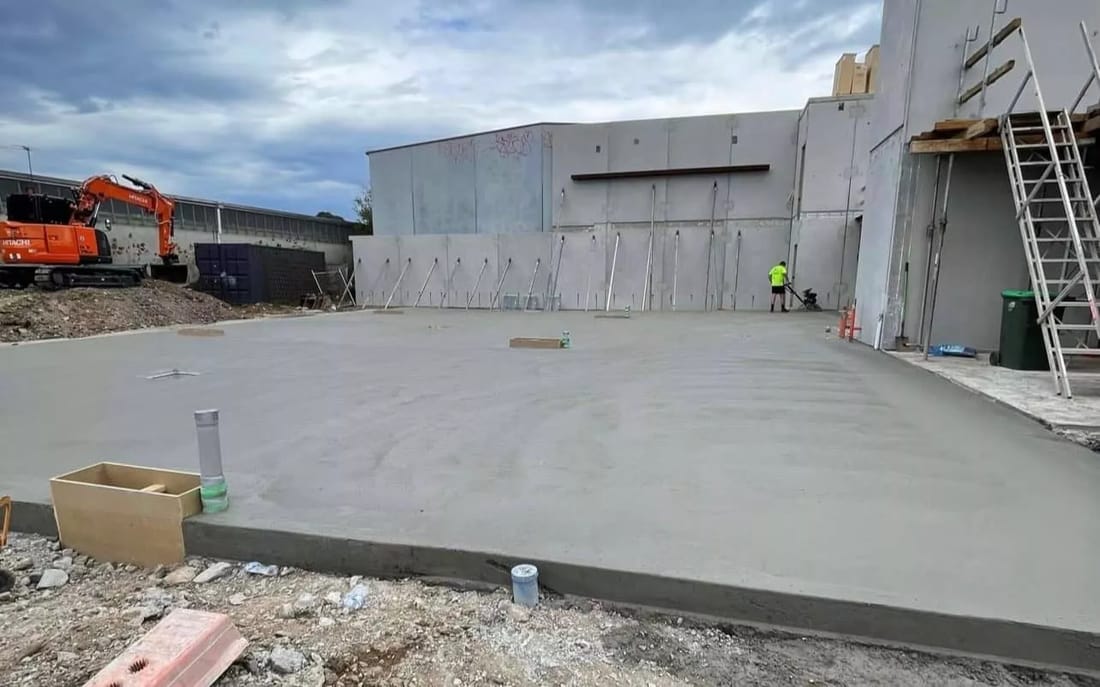
Commercial Concrete Repair in Denver That Solves the Real Problems
Commercial concrete repair is not just patching a crack and walking away. For Denver properties, it means fixing damage in a way that stands up to freeze-thaw cycles, de-icing salts, and heavy traffic. Superior Concrete Denver focuses on what your slab or structure is actually doing, so the repair does not just look good for a season but keeps performing for years.
We start every commercial concrete repair project with a job walk and condition assessment. On parking lots and drive lanes, we look for pumping (slabs moving when trucks roll), settled panels, pop-outs from freeze-thaw damage, surface scaling from mag chloride and rock salt, and joint failure that is letting water get under the slab. On warehouse floors, loading docks, trash enclosures, and dumpster pads, we check for impact damage, edge spalling, curl, and slab movement at the joints.
Because Denver sits at elevation with rapid temperature swings, moisture intrusion is usually the root cause of concrete problems. We look at drainage, downspouts, snow storage areas, and where meltwater actually runs and pools. This tells us if we need to correct grade, add drains, or simply reestablish joint seals. We combine visual inspection with basic non-destructive testing where it makes sense, such as sounding the slab with a hammer to find hollow or delaminated areas.
After we understand the cause, we outline repair options at different levels of invasiveness and budget. Sometimes that means slab replacement. Other times, we can stabilize what you already have using structural repair mortars, epoxy injections, or slab lifting. Superior Concrete Denver explains each option in plain terms, including how long areas will be closed and what it means for your tenants, customers, or operations.
How We Actually Repair and Restore Commercial Concrete
Superior Concrete Denver uses a repair process that is specific to commercial sites in the Denver metro area, not just a residential patch approach scaled up. Our crews are set up to work around business hours, truck schedules, and safety requirements.
For surface spalls and broken edges, we start by cutting the repair area square with a saw so the patch has clean, vertical edges to bond to. We chip out all loose or deteriorated concrete, wire brush or sandblast exposed reinforcement, and treat rebar for corrosion when needed. Then we install a bonding agent and place polymer-modified repair mortars that are designed for freeze-thaw and de-icing chemicals, troweling or forming edges so forklifts and snowplows ride smoothly over the repair.
When we see structural cracking, we determine whether it is moving. Static structural cracks can often be repaired by epoxy injection. We clean the crack, install ports, seal the surface, and then inject low-viscosity structural epoxy under controlled pressure so it fills the crack from the bottom up. For live or moving cracks, we do not glue the slab together and hope for the best. Instead, we install flexible joint fillers or isolation details so the movement happens where it is supposed to, without breaking the surface again.
Slab settlement is common in Denver, especially near building perimeters and dumpster pads where water and trash trucks work on the same area for years. In those cases, we may recommend slabjacking or polyurethane foam injection to raise settled panels, or full-depth panel replacement where the base is failed. When we replace panels, we rebuild the subgrade and base rock, compact it to proper density, and use a mix design suited to the load (for example higher psi concrete and thicker sections for truck routes).
On commercial walkways and ADA routes, we pay attention to trip hazards and slopes. We can grind small offsets, but if large areas are out of tolerance we replace them and set correct elevations so you meet current accessibility standards. Throughout, we coordinate with your property manager or facility team to phase work so at least some access is maintained whenever possible.
Local Conditions That Affect Commercial Concrete Repair Costs
What you pay for commercial concrete repair in Denver is driven by more than square footage. Superior Concrete Denver gives itemized estimates that show you why the number is what it is, so you can compare options fairly.
Site access is a big factor. A downtown Denver project where concrete has to be moved through a parking structure or over occupied areas will cost more than a wide-open lot near I-70. We look at truck access, staging areas for dumpsters and equipment, and restrictions on working hours. If your building has active retail or medical tenants, for example, we may schedule noisy demolition early in the morning or after hours, which can affect labor costs.
Existing base condition also drives cost. If the subgrade under your slab is saturated or poorly compacted, simply replacing the concrete on top will not hold up. In those situations, we include excavation, base replacement, and compaction in the scope. Testing and improving drainage, such as adding trench drains near loading docks or redirecting downspouts in Englewood or Aurora industrial parks, may be part of the solution too.
Material selections matter. For high-traffic or high-chemical exposure areas, we may recommend higher psi mixes, air-entrained concrete, fiber reinforcement, or specialty toppings like industrial overlays. These cost more up front but can save full replacement later. For warehouse floors with forklift traffic, we may add joint armoring and semi-rigid joint fillers to keep joints from spalling under hard wheels.
Weather and schedule are another local factor. Denver’s freeze-thaw cycles mean we avoid placing certain types of repairs when overnight lows will drop too quickly. If we must work in colder months, we budget for cold-weather protection, blankets, and slower cure times. If your project must be completed in a tight shutdown window, we may specify rapid-set materials so you can reopen traffic lanes or docks within hours instead of days, which changes material and labor costs but protects your operations.
Finishes, Protection, and Long-Term Maintenance Options
Once the concrete is structurally sound, how you finish and protect it has a lot to do with how long it will last. Superior Concrete Denver walks you through what makes sense for each area instead of applying the same system everywhere.
For exterior slabs like sidewalks, entry plazas, and parking lots, we often recommend breathable, penetrating sealers that help resist de-icing salts and moisture without trapping vapor. We clean the surface, allow it to dry, then apply the sealer at the right coverage rate so it penetrates deeply instead of pooling on top. In high-profile areas, we can match existing broom finishes or exposed aggregate so repairs blend in instead of standing out.
On interior commercial floors, especially in warehouses, production areas, and service bays, we may suggest densifiers and guard products that harden the surface and reduce dusting. If you need color coding for safety lanes or branding, we can incorporate stains, coatings, or striping after repairs cure. For food service or medical users around Denver, we can coordinate with coating contractors so concrete repairs are compatible with non-slip or chemical-resistant flooring systems.
Joint protection is one of the most overlooked but important parts of commercial concrete restoration. We clean out failed joint material, saw-cut to the correct profile if needed, and install semi-rigid polyurea or epoxy joint fillers that support traffic but still allow slight movement. This prevents edges from chipping off under carts, pallet jacks, or plows. In freezer or cooler environments, we select products rated for low temperatures so they do not become brittle.
We also provide maintenance plans. That might include scheduled resealing of exterior slabs every few years, inspection of loading docks after winter, or annual walk-throughs of your property portfolio so emerging issues are caught early. For local property managers who oversee multiple Denver and Front Range locations, we can standardize repair details and finishes so each site looks and performs consistently, and your budgeting becomes more predictable.
What Denver Property Managers Should Know Before Hiring a Concrete Repair Contractor
Picking the right contractor for commercial concrete repair in Denver can save you significant money and disruption over time. Superior Concrete Denver recommends focusing on how a contractor plans and documents the work, not just on the initial price per square foot.
Ask how they will determine the cause of the damage. If the answer is simply to “tear it out and re-pour,” they may be ignoring drainage, subgrade issues, or joint detailing that will cause the same problem to come back. We provide photos, notes, and repair maps that you can share with owners or asset managers so everyone understands what is being fixed and why.
Confirm they understand local codes, ADA requirements, and city inspection practices. For example, Denver, Aurora, and Lakewood have different permit thresholds for right-of-way work, sidewalk replacement, and approaches. We handle permits when they are needed and coordinate inspections so you are not chasing paperwork while trying to run your business or manage tenants.
Check their experience working on active commercial sites. Commercial concrete repair should be planned around deliveries, customer traffic, and safety compliance. We carry appropriate insurance, follow site-specific safety rules, and can attend preconstruction meetings with your facility or property management team. We also set up clear barricades, signage, and temporary access paths so the public is protected and you reduce liability risk.
Finally, pay attention to how the contractor talks about phasing and communication. For multi-building campuses, retail centers, and industrial parks around Denver, we typically phase work so only one or two areas are impacted at a time, and we provide clear schedules and updates. Superior Concrete Denver can meet on-site, review your pavement and concrete assets, and put together a repair and restoration plan that fits your operational calendar and budget instead of forcing you into a one-size-fits-all project timeline.