Home › Municipal and Infrastructure Concrete
We support municipal and infrastructure concrete projects in Denver, CO with experienced crews and reliable scheduling. From intersections and bus pads to curbs, sidewalks, and streetscape improvements, we deliver durable concrete work that serves the public for decades.
Superior Concrete Denver provides professional municipal concrete throughout Denver, CO, Colorado and the surrounding area. Our licensed, insured crew delivers safe, clean, on-time work with a free estimate before anything begins. Call (970) 648-8412 or request your free quote.
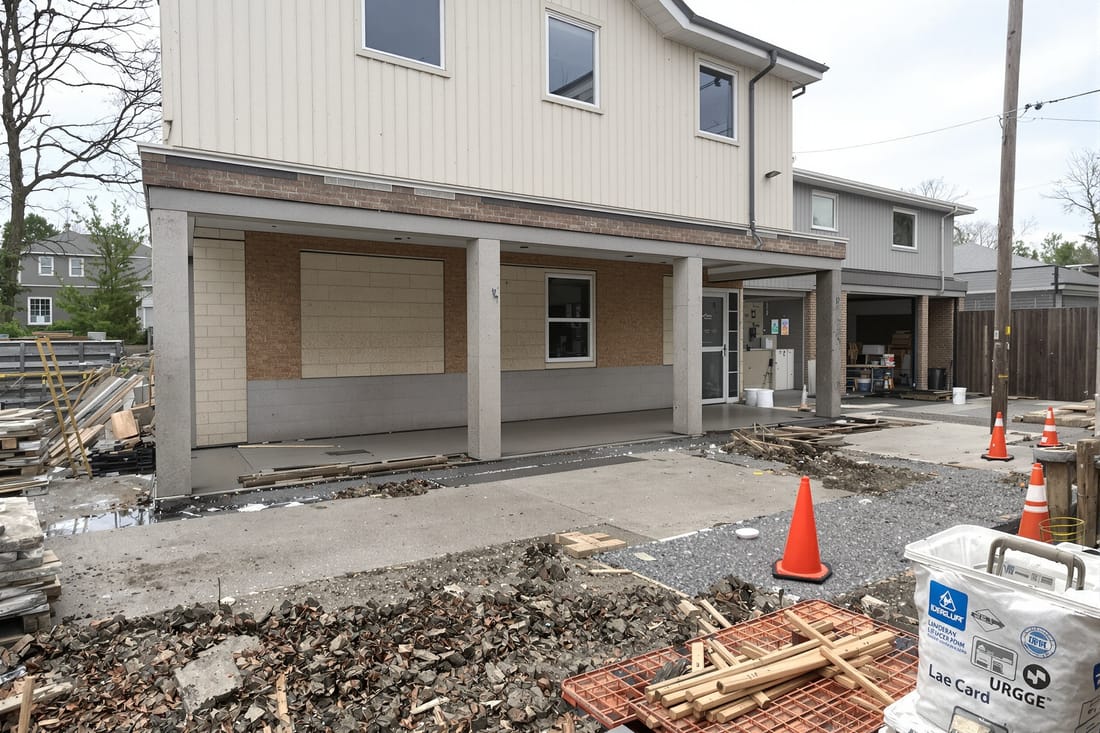
Municipal Concrete for Denver Streets, Sidewalks, and Public Spaces
Superior Concrete Denver provides municipal concrete services tailored to the way Denver actually functions as a growing city. We work with city agencies, general contractors, and special districts to build and repair concrete that holds up under heavy traffic, freeze-thaw cycles, and ADA requirements. Our team focuses on streets, intersections, alleys, sidewalks, curb and gutter, and public plazas that must stay safe and open for residents.
Municipal projects are different from private work because they must coordinate with multiple stakeholders, detailed specifications, and tight construction windows. We understand Denver Public Works and Denver Department of Transportation & Infrastructure expectations, and we schedule work to reduce disruption to bus routes, bike lanes, and neighborhood access. From small panel replacements to full block reconstructions, we keep communication clear so inspectors, project managers, and nearby businesses know what is happening and when.
How Municipal Concrete Projects Move From Planning to Pour
A successful municipal concrete project in Denver starts at the planning table, not at the ready-mix plant. We typically begin by reviewing your issued plans, city standard details, and specification books. Our team checks required concrete strengths, slump, air content, and reinforcement schedules, then confirms expansion joint layouts and ADA details for ramps and crosswalks. If there are existing utilities or drainage concerns, we coordinate with utility locates and survey data so there are no surprises once demolition begins.
Before field work, we help build a realistic schedule around traffic control limits and lane closure hours that Denver will allow. Once the city or the prime contractor approves phasing, we mobilize crews, barricades, and equipment. Throughout the job we submit mix tickets, concrete test results, and any required submittals so the work can pass inspection without delays. This front-end planning is what keeps Superior Concrete Denver projects moving even when weather or traffic issues come up.
Concrete Mixes and Design Details Suited to Denver’s Climate
Municipal concrete in Denver must stand up to freeze-thaw cycles, de-icing salts, and high UV exposure. We work with local batch plants to use air-entrained mixes, typically in the 4000 to 5000 psi range, depending on the jurisdiction and purpose. For bus lanes, intersections, and heavy truck routes, we often recommend higher strength mixes and thicker sections so rutting and spalling do not appear after only a few winters.
For sidewalks and curb ramps, we pay close attention to finish texture and slope. A broom finish is standard in Denver, but we adjust coarseness based on anticipated foot traffic and ADA slip resistance guidance. Expansion and contraction joints are placed at intervals that match local standards, usually 10 feet or less for sidewalks, and they are sealed to keep water and road salt from penetrating. Where the city requires fiber or rebar reinforcement, we tie and chair steel so it stays in the correct position during the pour, which reduces cracking and future maintenance costs.
Drainage is another key design detail. We set curb and gutter elevations so stormwater flows to inlets instead of pooling at crosswalks or driveways. On hilly streets such as those near West Colfax or in northwest Denver, small adjustments during forming can prevent icing issues in winter and trip hazards later on.
Typical Steps On-Site: From Demolition to Final Inspection
On a typical municipal concrete job, Superior Concrete Denver starts with traffic control according to approved plans. Cones, signage, and flaggers are set up so drivers, cyclists, and pedestrians can move safely around the work zone. Only after the closure is safe do we begin demolition. We sawcut clean edges, then remove old concrete with excavators or skid steers so there is minimal disturbance to adjacent pavement and utilities.
Next, we excavate and proof-roll the subgrade. If the base is soft or pumping, we may undercut and install Class 6 or other approved road base, compacted in lifts to reach the density the city requires. This step is critical on Denver streets that have been patched many times and may not have consistent support underneath. Once compaction tests pass, we set forms to line and grade using stringlines or laser levels, double checking slopes at crosswalks and curb ramps to meet ADA standards.
We then place reinforcement, dowel into existing panels if specified, and coordinate concrete delivery. During the pour, we monitor air content, slump, and temperature, and we vibrate and screed the concrete to achieve proper consolidation. After bull floating and edging, we place the specified broom finish and score joints. Curing compound is applied as soon as the surface can take it, or we use wet coverings where required. Finally, we keep the area closed to traffic until concrete reaches the strength that the city inspector signs off on, which may be confirmed by field-cured cylinders.
Local Regulations, ADA Compliance, and Inspection in Denver
Municipal concrete must pass more than a visual check. Denver inspectors look for correct thickness, consolidation, joint placement, and compliance with ADA standards, especially at sidewalk intersections and bus stops. Superior Concrete Denver crews are trained on current PROWAG guidance and city details so that truncated dome panels, cross slopes, and ramp flares meet the latest requirements.
We coordinate necessary inspections at each phase, including pre-pour, post-pour, and final acceptance, depending on the contract. For projects in the public right of way, we follow Denver right of way permitting requirements, including traffic control plans and lane closure limitations that may restrict work to certain hours. On corridors near schools, RTD stops, or light rail stations, we schedule phasing so the public has a safe route at all times.
If an inspector requests adjustments, we address them the same day when possible. For example, if a curb ramp measurement is slightly out of tolerance, we will grind high spots or, if needed, replace a small section before it turns into a larger compliance issue. This practical approach keeps projects on schedule and avoids repeat site visits.
What Affects Cost and Timeline for Municipal Concrete in Denver
Project budgets for municipal concrete in Denver are driven by more than square footage. Site access, required traffic control, night work, and winter conditions can all influence cost. Lane closures on major arterials often require additional flaggers and signage. Working at night or in off-peak hours may be required where daytime closures are not allowed, which impacts labor costs but can shorten the total project duration.
Existing conditions are another major factor. If the underlying base is weak, contaminated, or full of abandoned utilities, we may need extra excavation and replacement materials. Areas with frequent water main breaks, such as older neighborhoods, may need closer coordination with Denver Water so that freshly placed concrete is not disturbed by emergency work. Concrete thickness, rebar requirements, and specified compressive strength also change the material cost, especially on heavily loaded streets and intersections.
Weather timing matters in Denver. Winter work may require heated blankets, accelerators, and more frequent testing to ensure proper curing at low temperatures. Summer work demands careful scheduling to avoid rapid surface drying and plastic shrinkage cracking. When we estimate a project, we explain how these local variables affect both the price and the realistic completion window so that public agencies can set expectations with residents.
Why Denver Agencies and Primes Partner With Superior Concrete Denver
Superior Concrete Denver focuses on municipal and infrastructure concrete because we live with the same streets, sidewalks, and public spaces we help build. Our crews are familiar with Denver standard drawings, CDOT specifications where applicable, and the preferences of local inspectors. We know which details tend to cause rejections and which solutions keep small issues from turning into change orders.
We emphasize clean, organized work zones, which is important when projects take place in busy neighborhoods or near local businesses. Residents notice when a contractor keeps dust down, restores temporary access, and removes debris promptly, and that helps the agencies we work for maintain good community relationships. We document our work with photos, daily reports, and test results so project managers can close out jobs with confidence.
If you are planning a new municipal concrete project or need reliable help on an existing Denver contract, Superior Concrete Denver can step in at design, pre-construction, or build stages. Our local experience, combined with attention to specification details and public safety, helps keep Denver’s infrastructure durable, functional, and ready for future growth.