Home › General Concrete Contractor Services
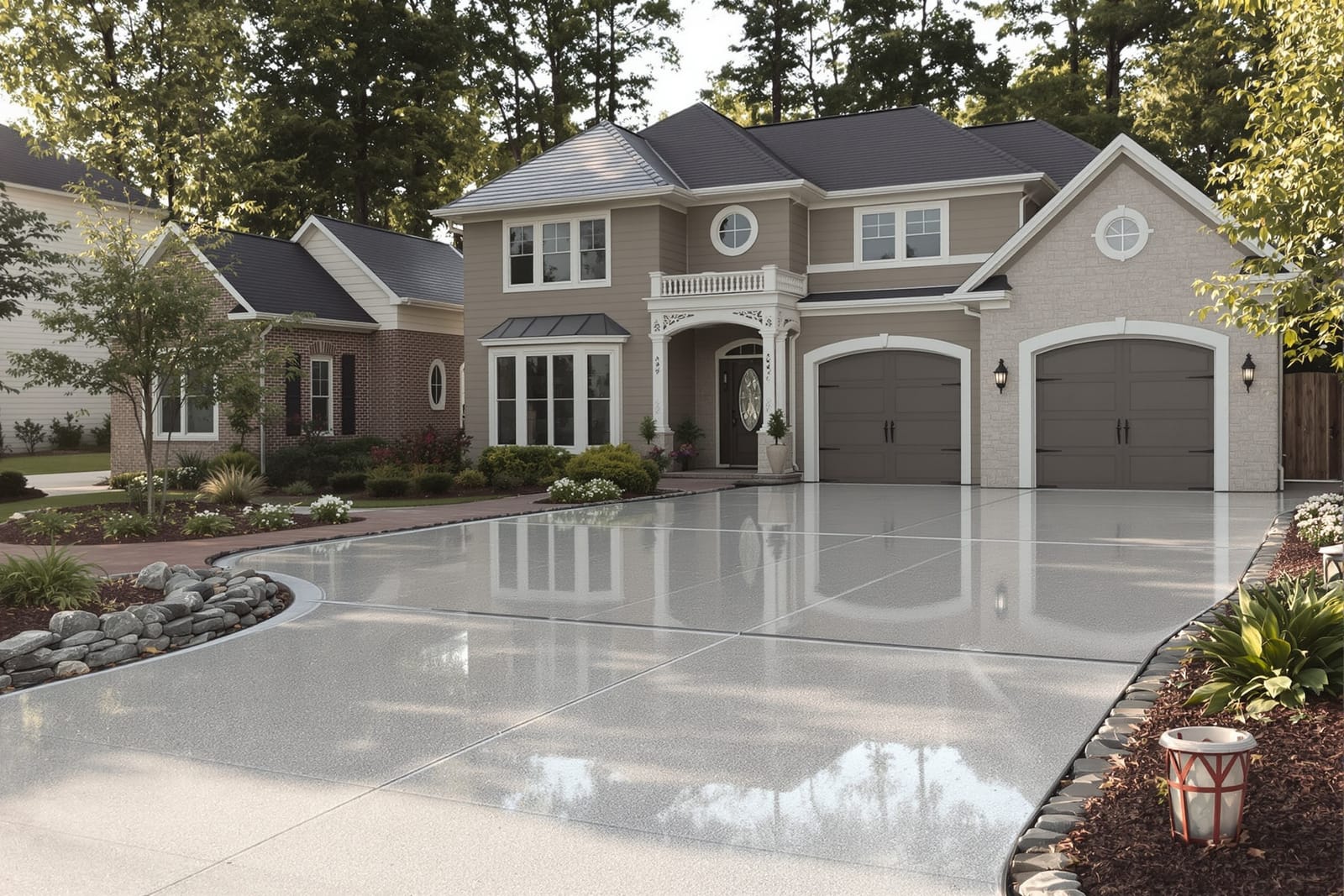
Superior Concrete Denver provides complete concrete contractor services in Denver, CO for residential projects of all sizes. From design and layout to forming, pouring, and finishing, we handle driveways, patios, walkways, slabs, and more with clear communication and reliable scheduling from start to finish.
Superior Concrete Denver provides professional concrete contractor throughout Denver, CO, Colorado and the surrounding area. Our licensed, insured crew delivers safe, clean, on-time work with a free estimate before anything begins. Call (970) 648-8412 or request your free quote.
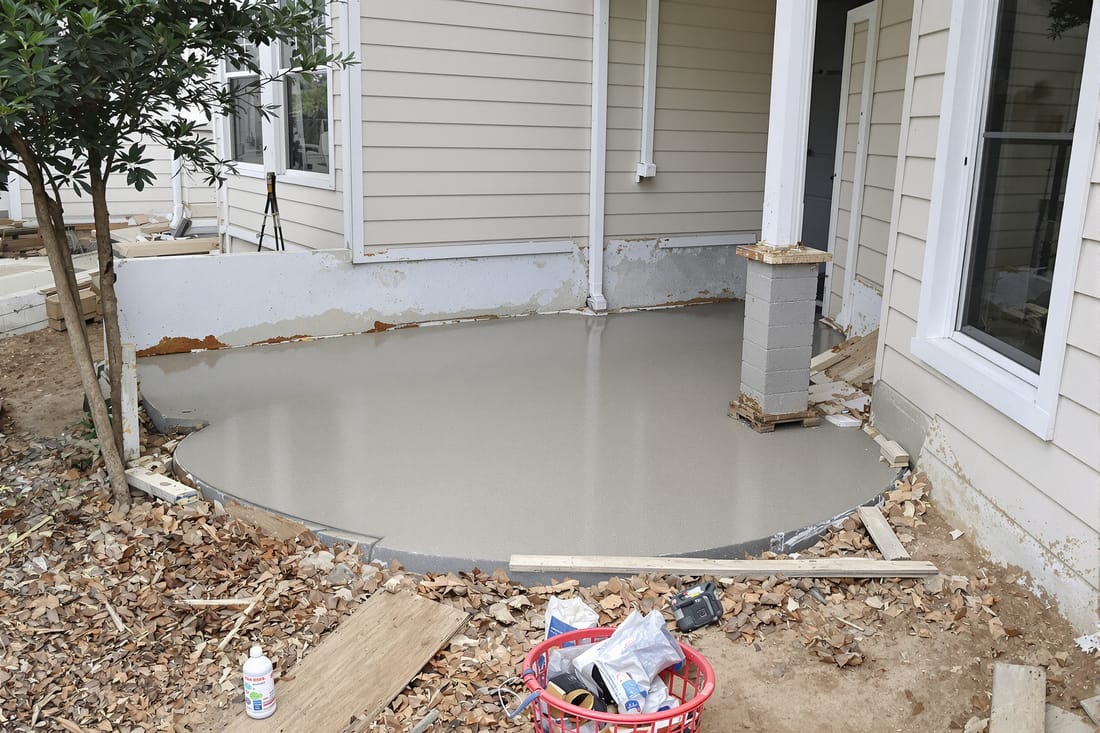
Full-service concrete contractor in Denver, CO
Superior Concrete Denver provides complete concrete contractor services for homeowners, builders, and property managers across the Denver metro area. From structural foundations to finished flatwork, we handle design, prep, placement, and finishing with attention to our local soils, freeze-thaw cycles, and city requirements.
When you contact us, we start with an on-site visit, not a rough guess over the phone. We measure slopes, check existing soil conditions, look for drainage issues, and evaluate access for trucks and equipment. In Denver, these details matter because of expansive clay pockets, steep driveways in older neighborhoods, and winter snowmelt that can push water toward your foundation.
You get a written scope of work that clearly lists concrete thickness, reinforcement type, control joint layout, and finish type so you know exactly what you are buying. We explain where higher strength mixes make sense, such as driveways and garage slabs, and where standard mixes are appropriate so you are not oversold or underbuilt.
How we plan and design your concrete project
General concrete contractor services at Superior Concrete Denver always start with planning and layout. For driveways, patios, walkways, RV pads, and small slabs, we begin by confirming your property lines, existing elevations, and any HOA standards that apply. Many Denver HOAs limit surface changes visible from the street or require specific broom or decorative finishes, and we help you navigate those rules before any work starts.
We discuss the main purpose of the slab (parking, outdoor living, hot tub support, shed foundation, or structural work) and calculate the necessary thickness and reinforcement. For example, a typical residential driveway in Denver is 4 inches thick with rebar or wire mesh, while RV or dumpster pads often need 6 inches or more with #4 rebar on a tighter grid. For patios, we also look at sun exposure and wind so we can recommend finishes that are safe when wet and not overly reflective.
Drainage is a major design focus in the Front Range climate. We slope flatwork away from the house, typically a minimum of 1/8 inch per foot, and tie new concrete into existing drainage paths or downspout extensions so water does not end up against your foundation. Where needed, we design swales or trench drains and integrate them into the pour so your new concrete solves water problems instead of creating them.
Site preparation, base work, and forming
A concrete project is only as good as its base. Our crews start by saw-cutting and removing any old concrete or asphalt, then excavate to the depth needed for both the slab and the compacted base material. In many Denver neighborhoods, we encounter a mix of native clay and fill soil, which can move and hold water if not managed correctly.
We install and compact a road base or structural fill layer in thin lifts using plate compactors or larger equipment, depending on access. This reduces the risk of settlement, cracking, and frost heave over time. If we encounter soft spots, organics, or buried debris, we remove and replace it instead of pouring over a weak area that will fail later.
Formwork is then set with treated lumber or metal forms, pinned and braced so it holds shape during the pour. We double-check elevations using laser levels to make sure slope and thickness match the design. Before any concrete truck shows up, we confirm access routes, protect nearby landscaping, and make sure utilities are clearly located and marked. This level of prep is where a professional concrete contractor earns real value for Denver property owners.
Concrete mix selection, reinforcement, and placement
Not every concrete mix is the same, and Denver’s climate puts special stress on slabs. Superior Concrete Denver typically specifies air-entrained mixes that handle freeze-thaw cycles better, especially for exterior flatwork. For driveways and high-use areas, we often recommend a 4,000 psi mix or higher with air content appropriate for the elevation and exposure.
Reinforcement choices include wire mesh, rebar grids, and in some cases fiber-reinforced concrete. For example, a standard residential garage slab might use wire mesh plus fiber, while an RV pad or heavy-use commercial area may require rebar at 18 or 24 inches on center. We set reinforcement on chairs or supports so it stays inside the slab where it actually adds strength instead of sinking to the bottom.
During placement, we schedule trucks to avoid long wait times that can cause cold joints or inconsistent strength. Our crew uses rakes and vibrators to fully consolidate the concrete, eliminating air pockets around reinforcement and in corners. We pay close attention to edges, steps, and transitions, which are common failure points if not compacted properly. For larger pours, we may use line pumps where truck access is limited in tight Denver alleys or older neighborhoods with narrow streets.
Finishing, decorative options, and curing in Denver’s climate
Finish work is where function and appearance come together. For most general flatwork, we use a standard broom finish that provides traction when wet or icy, an important safety factor in Denver winters. Around pools or highly visible patios, we may lighten the broom texture or add a troweled border for a cleaner look.
If you want more design, we offer integral color, colored release agents for stamped patterns, and exposed aggregate finishes that pair well with many Denver home styles. We review samples and photos on-site so you see realistic expectations instead of just choosing from a color chart.
Curing is critical in our dry, high-altitude environment. We apply curing compounds, use wet curing methods where practical, or schedule pours for cooler parts of the day in summer so the surface does not dry out too quickly and form shrinkage cracks. In late fall or early spring, we monitor overnight lows and may use insulated blankets to protect new concrete from freezing during its early strength gain period.
Crack control, repairs, and long-term performance
All concrete will crack, but a skilled concrete contractor controls where and how it happens. Superior Concrete Denver lays out control joints based on slab size, thickness, and shape, usually spacing them 8 to 12 feet apart for typical residential projects. We plan joints around doorways, corners, and columns to avoid random cracking through highly visible areas.
We also address common Denver issues like heaving along garage slabs due to frost and moisture changes in the underlying soil. Where appropriate, we recommend thicker edges, additional reinforcement, or isolation joints between new and existing concrete so each section can move slightly without damaging the other.
If you already have settled, spalled, or badly cracked concrete, we can assess whether resurfacing, partial replacement, or full removal and replacement makes the most sense. We look at root intrusion, drainage problems, and underlying base failure so any repair addresses the cause, not just the symptom. After installation, we provide practical maintenance guidance, such as when to seal exterior slabs, which de-icers to avoid, and what early signs of movement or drainage issues to watch for.
Permits, inspections, scheduling, and what to expect
In many Denver-area jurisdictions, certain concrete projects require permits or inspections, especially if they affect public sidewalks, curb cuts, driveway approaches, or structural foundations. Superior Concrete Denver can coordinate with the City and County of Denver or nearby municipalities when permits are needed, prepare simple site sketches, and meet inspectors on-site when required.
Before work begins, you receive a schedule that outlines demolition, base work, forming, pour day, and approximate cure time before normal use. For example, we typically recommend keeping vehicles off a new driveway for at least 7 days and avoiding heavy loads for up to 28 days, depending on mix strength and temperature.
During the project, you have a single point of contact who keeps you updated on weather-related adjustments, delivery timing, and any unexpected site conditions we discover. At final walk-through, we show you control joint locations, explain any minor hairline cracks that are normal, and review care instructions tailored to Denver’s conditions so your new concrete performs for the long term.